

Decoding Dog Food Labels: What’s Really Inside the Bag?
25 February 2026Have you ever picked up a bag of dog food and thought, “This sounds great… but what does it really mean?” You’re not alone. With so many brands, ingredients, and bold promises on packaging, choosing the right food for your dog can quickly feel confusing. What looks healthy on the outside isn’t always as clear on the inside, and that’s where understanding dog food labels can make all the difference. Let’s discuss in detail.
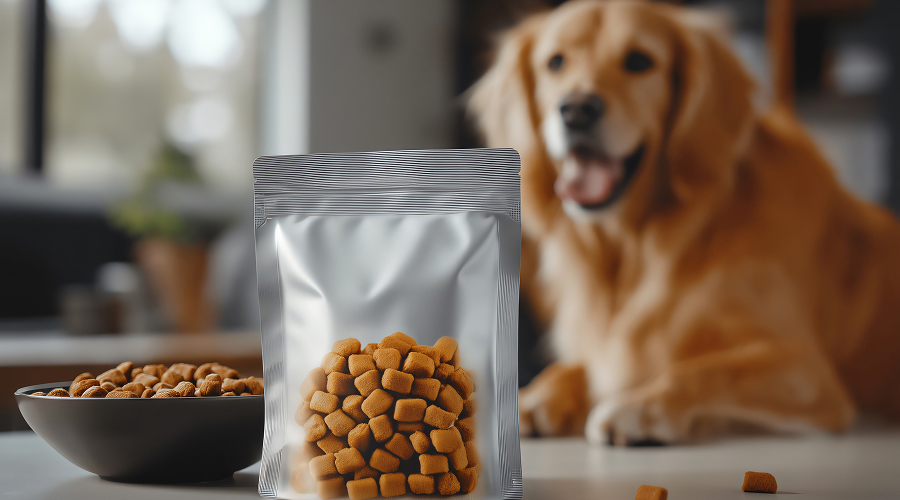
Why Reading Dog Food Labels Matters
Let’s start with a general question: ever stood in the pet food aisle staring at dozens of colorful bags and wondered which one is actually right for your dog? And now you’re feeling confused, right? You’re not alone. The packaging of food comes with a visually attractive design; however, such descriptions are not always accurate with reference to nutrition. Buzzwords such as “premium,” “natural,” and “gourmet” are used but lack specific definitions.
Learning how to read ingredient and nutritional information will assist you in to:
- Avoid low-quality fillers.
- Identify High-Quality Protein Sources.
- Match food with your dog’s age, size, and activity level.
- Supports skin, coat, and digestive health.
Understanding the Ingredient List
Ingredients are arranged in descending order, and this implies that the food consists mainly of the first few ingredients. So basically, what to see before getting one, let’s understand:
Look for Named Protein Sources
The first ingredient should ideally be a clearly named protein, such as:
- Chicken
- Lamb
- Beef
- Salmon
Avoid vague terms such as “meat meal” or “animal by-products” being included as main ingredients, since they fail to specify their quality or sources.
Be Aware of Fillers
Some common fillers include:
- Corn
- Wheat
- Soy
Though these are not always detrimental, they offer less nutritional value than a whole protein or vegetable. Too many fillers may cause allergies or stomach problems.
What Guaranteed Analysis Really Tells You
So, what do all those numbers and percentages on the back of the bag actually mean? The guaranteed analysis section shows the minimum or maximum percentages of:
- Crude protein
- Crude fat
- Crude fiber
- Moisture
Decoding Marketing Claims on Packaging
Typically, a dog’s food bag has claims on the front. Here are things to know:
“Natural” or “Organic”
Such words sound quite imposing; however, the standard may vary. When checking this information, it is always wise to stick to the ingredient list.
“Grain-Free”
It’s not necessarily the case that grain-free is better for your dog. Some dogs may need grain-free diets, while others may need grain-inclined diets. It depends on what’s best for them.
Matching Food to Your Dog’s Lifestyle
It is well understood that not all dogs require the same kind of nutrition. Age and activity level of your dog are very important factors to be taken into consideration to determine what kind of nutritional support your pet dog may require.
Puppies
Puppies require a higher number of calories, as well as vitamins and minerals, to be able to accommodate their strong growth needs, bones, healthy muscles, and immune system development during their early growth stages.
Adult Dogs
Adult dogs benefit from a balanced diet that helps maintain a healthy body weight, steady energy levels, strong muscles, and a well-functioning immune system to support their everyday activities and long-term health.
Senior Dogs
Senior dogs also require food that is easily digestible and has the nutrients needed for joint mobility, heart health, and weight management to help them stay comfortable and healthy.
Role of Freshness and Storage
Even the best food loses value if stored incorrectly. So, here’s how to store
- Keep bags sealed tightly.
- Store in a cool, dry place.
- Avoid buying more than your dog can eat within a reasonable time.
Fresh food supports better taste, nutrition, and digestion.
How Nutrition Connects to Coat, Skin, and Grooming
Do you know what you feed your dog can affect its appearance and well-being? A good diet provides a shiny coat, good skin, less shedding of fur, and strong nails. All of these are signs of good and balanced nutrition. When put together with a good dog grooming routine, nutrition plays a much larger role as it helps provide good skin and coat conditions to make your dog’s grooming sessions even better.
Final Thoughts
Dog food labeling does not have to be confusing, and with a basic level of knowledge. It is possible to see beyond advertising techniques and concentrate on what is vitally important: good quality ingredients, nutritional balance, and nutrition that has a positive impact on your dogs as a whole.
Support your dog’s wellbeing with Pets Corner Salon today.
Check out more fun services for your pets, including pet day care and doggy day care.
Recent Blog

23 April 2026


05 March 2026
Dog Toy Maintenance Tips: Keep Them Clean & Safe
25 February 2026
Decoding Dog Food Labels: What’s Really Inside the Bag?

10 February 2026
Enjoy Your Road Trip with Pet Care Services in Abu Dhabi

21 January 2026
The Hidden Benefits of Interactive Cat Toys You Didn’t Know

07 January 2026
The Most Common Mistakes Pet Owners Make When Buying Dog Clothes

24 November 2025
From Ignored to Adored: Toys That Capture Your Cat’s Attention

28 October 2025
The Psychology of Dressing Dogs: Do They Like Wearing Clothes?

22 October 2025
Why Do Dogs Destroy Their Toys? Understanding Canine Instincts

07 October 2025
From Fluffy to fabulous: Cat Grooming Trends in Abu Dhabi
01 October 2025
Seasonal Feeding Tips for Dogs in the UAE’s Climate

18 September 2025
How to Choose Cat Toys That Prevent Obesity in Indoor Cats
08 September 2025
Say Goodbye to Shedding Mess: How Dog Clothes Keep Your Home Cleaner
01 September 2025
From Pups to Seniors: How Pet Daycare Supports All Life Stages
25 August 2025
How to Select the Best Doggy Day Care in the UAE?
08 August 2025
The Role of Nutrition in Your Dog’s Coat and Skin Health









15 April 2025
Squeaky vs. Silent Toys: Which Does Your Dog Prefer?





04 March 2025
Why Doggy Day Care is a Must for Your Pet’s Happiness?

24 February 2025
How to Choose the Perfect Outfit for Your Dog


30 September 2024
How to Choose the Right Dog Toys for Your Pet’s Needs

27 August 2024
How to Choose the Right Dog Food
27 August 2024